
Understanding the Need for a Modern Heating System in Scotland
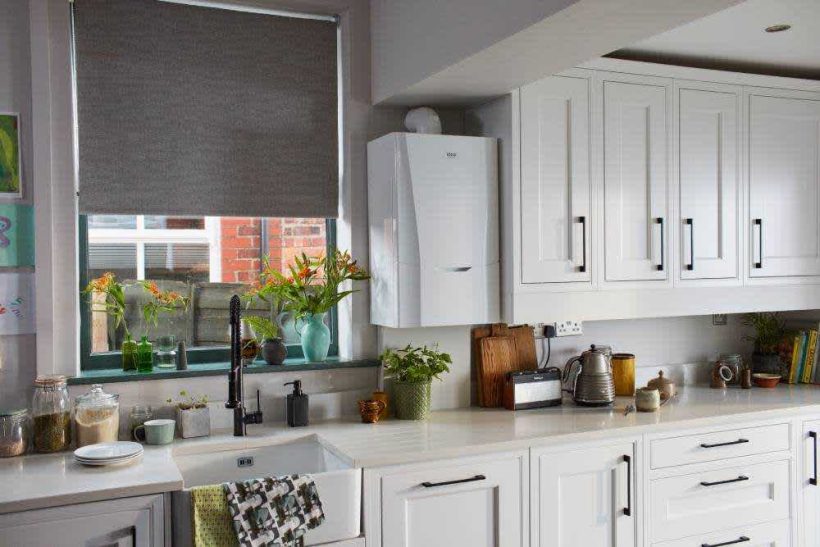
Living in Scotland brings a unique set of challenges when it comes to home heating. With winters that can be long, damp, and piercingly cold, having a reliable and efficient heating system is not just a luxury but a necessity for comfort and health. Many homeowners across the country are currently relying on ageing systems that are prone to breakdowns and are increasingly expensive to run. If you find yourself constantly adjusting the thermostat or worrying about the next repair bill, it might be time to consider the benefits of a new boiler scotland to ensure your home remains a warm sanctuary regardless of the weather outside.
The landscape of domestic heating is changing rapidly. With the Scottish Government setting ambitious targets for net-zero emissions, the focus has shifted heavily towards energy efficiency. Modern condensing boilers are designed to capture heat that would otherwise escape through the flue, recycling it back into the system. This process significantly reduces fuel consumption, meaning you get more warmth for every pound spent on your energy bills. For those looking to future-proof their homes, upgrading to a high-efficiency model is one of the most effective steps you can take.
The Primary Benefits of Upgrading Your Boiler
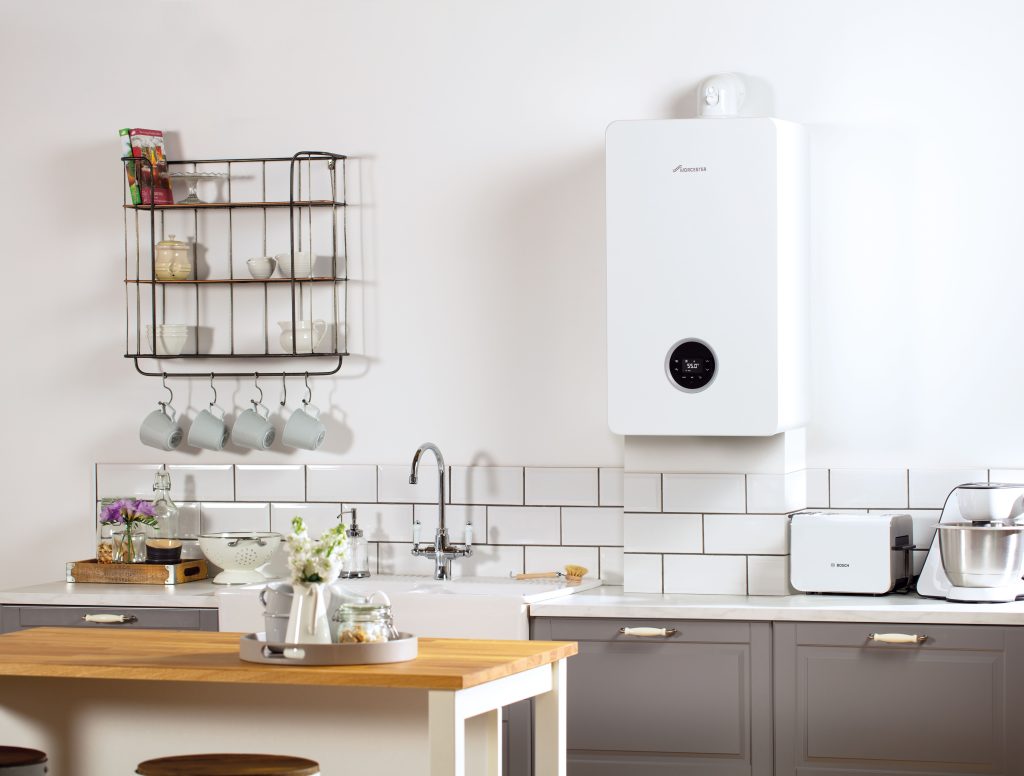
Investing in a new heating system offers several advantages that go beyond just a warmer living room. When you choose a new boiler scotland, you are investing in the long-term value and efficiency of your property. Modern technology has advanced significantly over the last decade, leading to units that are smaller, quieter, and far more intelligent than their predecessors.
- Reduced Energy Bills: Older G-rated boilers can be less than 70% efficient, whereas modern A-rated condensing models operate at 90% efficiency or higher. This transition can save the average household hundreds of pounds annually.
- Enhanced Reliability: New systems come with comprehensive manufacturer warranties, often ranging from 5 to 12 years, providing peace of mind and protection against unexpected repair costs.
- Improved Controls: Modern boilers are compatible with smart thermostats and zone controls, allowing you to manage your heating from your smartphone and tailor the temperature of individual rooms.
- Smaller Carbon Footprint: By burning less gas to achieve the same level of warmth, you are directly reducing your household’s carbon emissions, contributing to a greener Scotland.
- Increased Property Value: A high-quality, recently installed heating system is a major selling point for potential buyers, often reflected in a better Home Report rating.
Selecting the Right Type of Boiler for Your Home
Not every home in Scotland has the same heating requirements. A compact flat in the centre of Glasgow will have very different needs compared to a large Victorian villa in the Highlands. Understanding the different types of boilers available is crucial to making an informed decision. The three main types of gas boilers found in Scottish homes are combination (combi), system, and regular (heat-only) boilers.
Combi boilers are the most popular choice for smaller to medium-sized homes. They provide both heating and hot water directly from the mains without the need for a separate water tank or cylinder. This makes them incredibly space-efficient, which is ideal for modern apartments or homes where loft space is limited. On the other hand, system boilers require a cylinder to store hot water but do not need a tank in the loft. They are excellent for larger households with multiple bathrooms where there is a high demand for hot water simultaneously.
Regular boilers, often found in older properties, involve both a hot water cylinder and a cold water storage tank in the attic. While these are less common for new installations, they are often the most straightforward replacement if your existing pipework is old and cannot handle the high pressure of a combi or system boiler. Consulting with a professional installer will help you determine which configuration is most suitable for your specific property and usage patterns.
Financial Assistance and Grants in Scotland
The initial cost of a new boiler scotland can be a concern for many households. Fortunately, there are various schemes and financial incentives available to help Scottish residents manage the transition to more efficient heating. Organisations like Home Energy Scotland, funded by the Scottish Government, provide free, impartial advice on how to make your home warmer and cheaper to heat.
Depending on your circumstances, you may be eligible for the Warmer Homes Scotland scheme, which offers funding for energy efficiency improvements, including new boilers, to homeowners and private tenants who meet certain criteria. Additionally, the ECO4 scheme focuses on low-income and vulnerable households, providing grants for heating upgrades to help reduce fuel poverty across the country. It is always worth checking your eligibility for these programmes before committing to a purchase, as they can significantly offset the installation costs.
The Importance of Gas Safe Registered Installers
When it comes to the actual installation, safety and expertise must be the top priorities. In the United Kingdom, it is a legal requirement that anyone carrying out work on gas appliances is on the Gas Safe Register. This ensures that the engineer has the necessary qualifications and follows strict safety protocols to protect you and your home.
When searching for a provider for your new boiler scotland, you should look for companies that employ local, experienced engineers who understand the specific building styles found in Scotland. A professional installation involves more than just swapping units; it includes a full system flush to remove sludge, the installation of a magnetic filter to protect the new unit, and a thorough commissioning process to ensure everything is running at peak efficiency. Choosing a reputable local firm often results in better aftercare and a more personalised service compared to national conglomerates.
What to Expect During the Installation Process
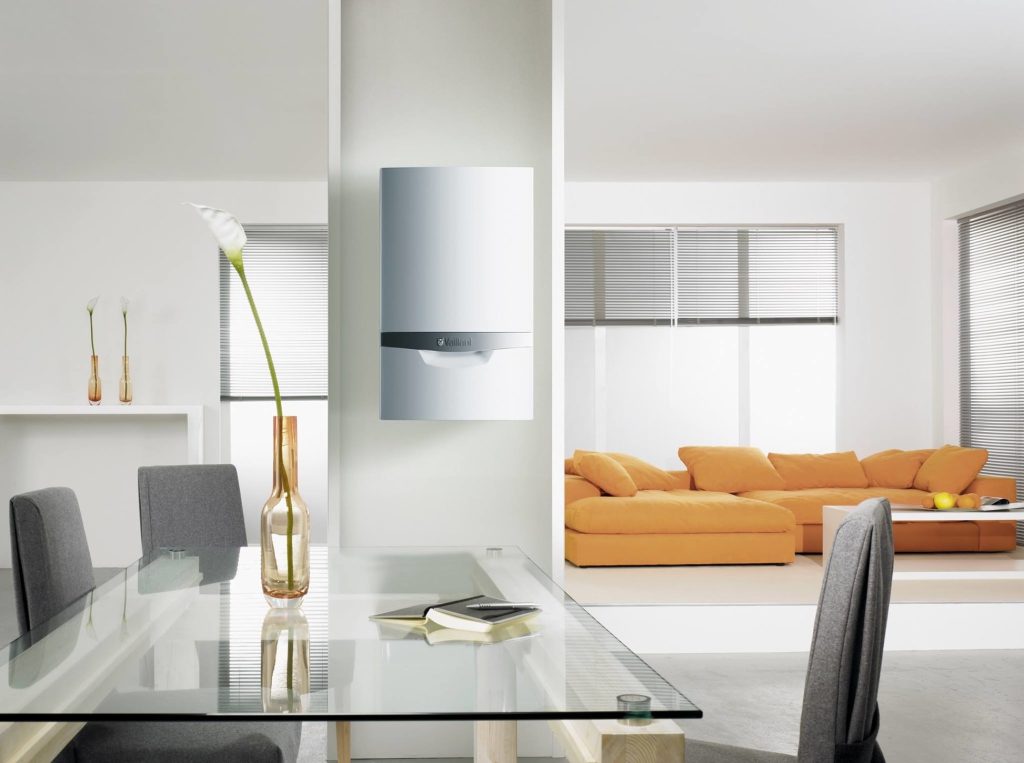
Many homeowners worry about the disruption caused by a boiler replacement. However, a standard swap can usually be completed within a single day. If you are converting from an old regular system to a modern combi boiler, the process may take two to three days as it involves removing old tanks and upgrading the pipework. A professional installation team will take steps to protect your carpets and furniture, ensuring that the work area is kept clean and tidy throughout the project.
- Initial Survey: An engineer will visit your home to assess your heating needs, check the gas supply, and recommend the best boiler for your budget.
- The Installation Day: The old unit is decommissioned and removed, and the new boiler is mounted and connected to the gas and water supplies.
- System Cleaning: The heating circuit is often flushed with chemicals to ensure no debris from the old system damages the new components.
- Handover: Once the installation is complete, the engineer will explain how to use the new controls and provide you with all the necessary paperwork, including the Gas Safe certificate and warranty registration.
Maintaining Your New Investment for Longevity
Once your new boiler scotland is installed, maintaining it is key to ensuring it lasts for its full expected lifespan, which is typically around 12 to 15 years. The most important step you can take is to schedule an annual service. Most manufacturer warranties are only valid if the boiler is serviced every twelve months by a Gas Safe registered engineer. This annual check-up allows a professional to identify small issues before they become expensive repairs, ensuring the unit continues to operate safely and efficiently.
In addition to professional servicing, you can take small steps to keep your system in top shape. Bleeding your radiators at the start of the heating season ensures there is no trapped air, which can make your boiler work harder than necessary. Keeping an eye on the system pressure and ensuring it stays within the recommended range (usually between 1 and 1.5 bar) will also help maintain optimal performance. By taking a proactive approach to maintenance, you can enjoy a warm home and low energy bills for many years to come.

Charlotte Dawson is a dessert enthusiast and food writer with a focus on artisanal cakes, homemade confections, and high-tea delicacies. She shares tips on perfecting sponge textures, flavor pairings, and the art of baking with a vintage twist.